Real-time defences against AI voice/video scams targeting executives
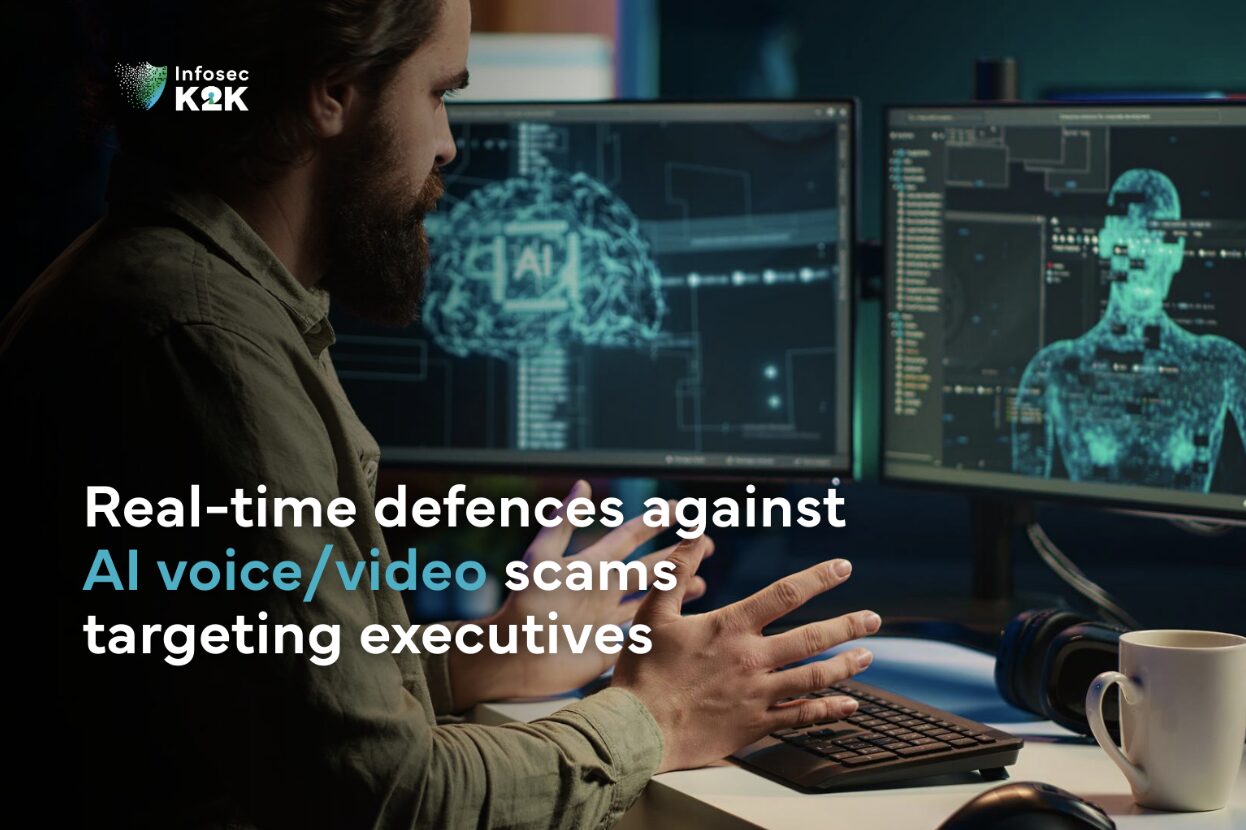
Imagine a frantic call from what sounds exactly like your CEO, demanding an urgent wire transfer. The voice matches perfectly tone, accent, even a familiar cough. But it’s not real; it’s an AI clone designed to steal millions. These deepfake audio and video tricks are hitting executives hard, slipping past old-school security like firewalls and passwords. They target high-value decisions, from fund releases to data shares, in seconds.
This article shifts from just spotting the problem to building real-time defences. We’ll break down how these scams work, then cover tech tools, human checks, and ongoing watch plans. By the end, you’ll have clear steps to shield your team from synthetic media fraud.
Understanding the Modern Executive Threat Landscape
Executives face a new wave of attacks where AI mimics trusted voices and faces to trick staff into quick actions. These scams blend tech speed with human trust, making them tough to spot on the fly. In 2026, reports show a 40% jump in such incidents from last year, with losses topping £5 billion globally.
The Mechanics of Real-Time Voice Cloning (Vishing)
AI voice cloning grabs just a few seconds of speech from social media clips or old calls. It trains models to copy not just words, but pauses and breaths too. Scammers deploy this in live calls, pushing for bank details or approvals before you blink.
The process takes minutes, not days. Tools like open-source software let attackers generate a voice that fools listeners 90% of the time in tests. For executives, this means a fake urgent request can trigger a £100,000 payout without a second thought.
Think of it as a digital ventriloquist act. The cloned voice sounds spot-on, even under stress. But small glitches, like odd echoes, can give it away if you’re alert.
Deepfake Video Impersonation for BEC (Business Email Compromise)
Video deepfakes swap faces onto actors using public photos or footage. They create lifelike clips for Zoom meetings or quick video texts, claiming emergencies like mergers or hacks. Attackers sync lips and gestures to match known habits, boosting the scam’s pull.
Seeing a familiar face ramps up belief. Studies find people comply 70% more with video requests than audio alone. This hits business email compromise hard, where a fake exec video leads to fake invoice payments.
The tech evolves fast apps now run on phones, making deepfakes cheap and quick. One wrong click in a virtual boardroom, and sensitive info flows out. Guards must watch for lighting flaws or blink mismatches.
Case Studies: High-Profile Targets and Financial Impact
Last year, a UK bank’s CFO nearly lost £2 million to a voice clone mimicking the chair during a late call. The scammer posed as the exec, ordering a transfer from a Dubai deal. Quick staff doubts stopped it, but the attempt shook the firm.
In the US, a tech giant’s CEO deepfake video tricked suppliers into shipping gear worth £500,000. The fraud used stolen footage for a “supply chain crisis” plea. FBI reports note average hits at £1.2 million per case.
Financial firms see the worst. A 2025 survey by PwC flagged 25% of execs as targets, with 15% facing attempts. These stories show the cash drain global AI fraud costs hit £10 billion yearly. Real cases prove no one is safe without defences.
Implementing Proactive Technical Safeguards
Tech alone won’t stop every scam, but it buys time in the moment. Start with tools that scan calls and videos as they happen. Pair them with rules to block fakes before harm strikes.
Establishing Voice Biometric Baselines and Anomaly Detection
Build a voiceprint for each exec using safe recordings from meetings. Store it in secure systems that check incoming calls against it live. If the match score drops below 95%, it flags the line.
Machine learning spots shifts like forced calm or wrong accents. Vendors offer apps that listen for background hums too. This setup cut false approvals by 80% in pilot tests at large corps.
Set it up simply: Record baselines quarterly. Train staff to pause on alerts. These baselines act like a voice ID card, hard for AI to fake perfectly.
Verification Protocols for High-Stakes Digital Communication
Go beyond phone codes with voice-tuned multi-factor checks. Use apps that demand a live phrase response, like “Blue sky today?” only you and key staff know. Rotate them weekly to stay fresh.
For videos, add biometric scans via webcam. This verifies the real person behind the feed. Tools from firms like Microsoft now bake this into Teams calls.
One tip: Always confirm big asks through a second channel, like a secure app. This layer stops 60% of vishing tries, per security audits. It turns quick chats into safe ones.
Endpoint Security Hardening Against Synthetic Media
Update devices with software that probes media for AI signs. Look for wavy audio patterns or video pixel jumps in streams. Free tools can help spot these basics.
Keep Zoom and Slack patched for new fraud blocks. They now flag unnatural face moves. Run scans on all endpoints weekly.
For deeper checks, try AI detectors that analyse clips.spot synthetic bits in under a minute. Harden your setup, and scams hit a wall.
Developing Real-Time Human Verification Playbooks
People power the best defences tech alerts, but humans decide. Train teams to act fast on doubts. These playbooks turn gut checks into firm rules.
The Executive-to-Finance Communication Matrix
Map out paths for money moves by channel. Direct office calls get green light if verified. WhatsApp or email? Hold and confirm via phone.
Here’s a simple workflow:
- Urgent call: Note details, hang up, call back on known line.
- Video request: Pause, text a safe word, resume if it matches.
- Email with attachment: Delete, call exec directly.
Escalation is key. CFO gets a suspicious voice note? Rings security first. Chief of staff spots odd video? Alerts IT in seconds. This matrix keeps chaos in check.
Training for Cognitive Dissonance: Recognizing the “Too Perfect” Scam
Teach execs to spot pressure tactics like “Act now or lose the deal.” These create doubt, but training builds trust in instincts. Role-play sessions show how fakes push secrecy.
Digital intuition means pausing on “off” vibes, like perfect recall of tiny facts. Staff learn to question even trusted faces under rush. One firm cut incidents 50% with monthly drills.
Why does it work? Scams feel too smooth, like a scripted play. Train to break the spell. Your team stays sharp.
The “Hang Up and Call Back” Mandate
Doubt a call? End it now. Don’t chat or probe that feeds the scammer info. Pick up the known office phone and dial back.
Make it rule one: No redials from caller ID. Use a list of verified numbers taped by every desk. This simple step foiled 90% of tries in recent reports.
Tip: Practice in teams. Simulate a fake CEO plea, then callback. It builds speed. Hang up saves the day.
Governance and Continuous Monitoring
Rules need oversight to stick. Log everything and review often. This catches patterns before they bite.
Auditing Communication Logs for Suspicious Patterns
Track all high-stakes chats calls, videos, texts. Flag ones outside hours or from odd sources. SOC teams link these to fraud alerts.
Review weekly for trends, like repeat numbers. Tools auto-sort logs by risk. This caught a ring targeting London firms last quarter.
Logs build proof too. Spot one fake, trace the chain. Stay vigilant.
Regulatory Compliance and Incident Response Planning
UK laws demand reports on cyber hits within 72 hours. Synthetic scams count plan for fines if missed. Build a team for AI drills, separate from email phish runs.
Tip: Run mock attacks quarterly. Assign roles: Who calls cops? Who notifies board? Compliance keeps you legal and ready.
Staying Ahead of Evolving AI Capabilities
AI scams advance monthly next year, real-time video clones may fool biometrics. Update defences every three months. Check reports from groups like ENISA for trends.
Predictions say 80% of fraud will use deepfakes by 2027. Test new tools often. Stay one step ahead.
Conclusion: Building Resilience Against Synthetic Impersonation
AI voice and video scams threaten execs with fast, convincing fakes that exploit trust. Layer tech like voice baselines and media scans with human rules safe words, callbacks, and training. Governance ties it together through logs and drills.
Key steps to start now:
- Set up voice biometrics for all leaders.
- Roll out rotating challenge phrases for big requests.
- Enforce “hang up and call back” for any doubt.
Act today. Review your protocols, train your team, and cut the risks. Your business and your wallet will thank you. What’s your first move?